
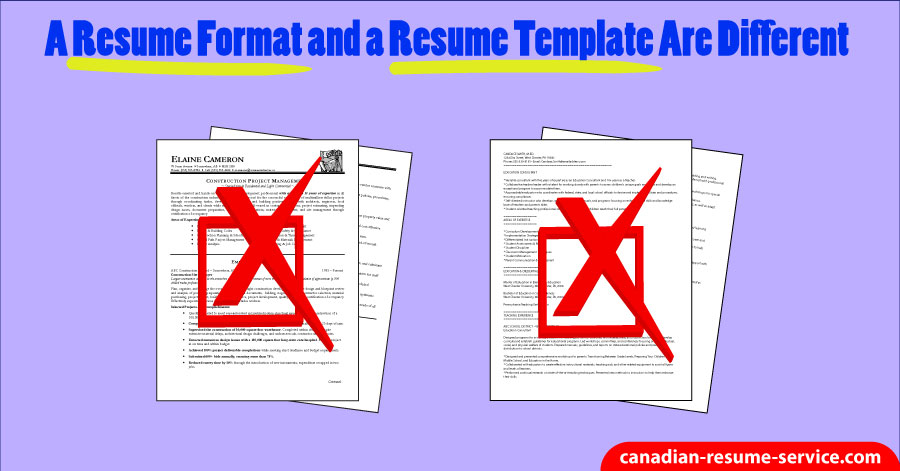

There are differences between a resume format and a resume template. Below is a brief description of four formats that job seekers commonly use.
Chronological Resume Format
A chronological resume, in which the information is organized by dates, begins with the most recent position and spans 10-15 years. This stresses the positions you held and the companies where you worked.
Recruiters and hiring managers like this resume format because it’s easy to read and demonstrates job seekers’ continuous career growth. This format is used when the individual has steady advancement, no employment gaps, and is applying for the same work.
Functional Resume Format
Relevant skills or functions are organized in a functional resume. These accomplishments are near the beginning of the resume, rather than with past jobs. The record of employment is listed, but without responsibilities. Hiring managers and recruiters dislike this resume format, as it’s easier to disguise a poor work record. This works well for problem careers, job hoppers, older workers, career transitioners, those with academic deficiencies, or those with limited experience.
Combination Resume Format
A combination resume mixes the above formats. Information is organized by relevant skills and functions, followed by job titles, companies, and brief descriptions of responsibilities. This powerful presentation initially shows relevant skills and accomplishments, but is later supported by the vital employment section.
Curriculum Vitae (CV) Format
There is also a Curriculum Vitae and an electronic scannable resume. Many job seekers confuse the difference between a curriculum vitae and a traditional resume. A curriculum vitae is preferred over a résumé in certain parts of the world.
Many job seekers use this resume style when applying overseas. A resume tends to be shorter and only contains information pertinent to the jobs it is used for. If you are submitting a curriculum vitae, it will be longer and more comprehensive. CVs are often used when applying to academic programs and degrees.
Please include personal information, such as name, address, telephone number, cell phone, fax, and email address, at the top of your resume.
This is not mandatory; after the identifying contact information, include the type of job or career you wish to secure. Still, the resume and cover letter should focus on the position and the required skills, whether or not they are included. Avoid clichés and meaningless sentences. For example, “challenging full-time position that will be rewarding and offer room for advancement.”
The remainder of the document depends on the chosen resume format. List the most relevant education or experience in order. Again, professional judgment makes a difference. Various factors, such as background and experience, determine the choice.
After the education and employment sections, you can include other information (honors, affiliations, community work, languages).
Prune unnecessary words and proofread your resume numerous times. Get someone else to proofread it —you don’t want any typos.